Lanna (Englisch: One Million Rice Fields) was a kingdom in the north of Thailand around the city of Chiang Mai. This blog is about Chiang Mai
ภาษาไทย, Pai, Mae Hong Son เชียงใหม่ ปาย แม่ฮ่องสอน and Nan น่าน. You find reviews and pictures by people who have been there, Google Maps and background.
More destinations in Thailand: #treasuresofthailand: Your Thailand Guide
If you sit in front of one of the music bars on Nimmanhaemin Road in Chiang Mai at night, you can be nearly sure, that a mahout with his elephant will pass by and try to sell you bananas or sugar cane to feed the elephant. More than 200 elephants are said to wander around in Thailands cities, from Phuket to Bangkok and Chiang Mai. And that means stress for the animals: standing and walking on the concrete damages their feet, street- and bar-noise irritate them and the polluted air is poison for their lungs, and sometimes they are injured by traffic accidents (read the report by Cindy Tilney). But since Thailands government 1989 banned the logging with elephants in the wood - to protect the wood and prevent erosion and floods - the elephants and their trainers have to look for another income to survive. The ban let 2000 animals and their mahouts unemployed. But a way to employ elephants has been developped: Many camps have been created in a natural surrounding for a get-together of elephants and tourists. Many treat their elephants well, but some don't have proper working conditions for the animals. So if you want to be sure to do someting for the protection of the elephants, you can head to the National Elephant Institute in Lampang. There are shows presenting the traditional logging work, of course you can go riding on a saddle, but there is a homestay program too: You will stay at the home of the mahout, accompany him during his day with the elephants and learn how to ride without a saddle. And some elephants even know how to play music in an elephant orchestra - read more.
Find your way: Take a bus at Chiang Mai Arcade Bus Station for Lampang (timetable). One way will take one and half an hour. Ask the driver to stop at the elephant center. Another possibility is to travel by train, but the trains to Lampang leave Chiang Mai only in the afternoon (see timetable), so you will have to stay for a night in Lampang to go to the elephant shows in the morning. In Lampang you take the bus for Chiang Mai at the bus station and ask the driver to let you out at the elephant center.
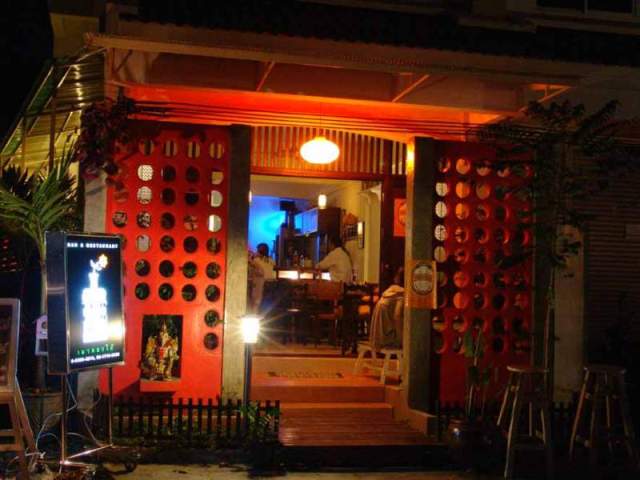
Nimmanhaemin Road (also: Nimmanhemin) is the place to be for the local nightlife scene, mostly students from the nerby universities or youn working adults: "Young, beautiful and trendy Thais partying like there's no tomorrow!", writes Jaxon Toh in his blog.
Warm Up Cafe: 40 Nimmanhaemin Road. Popular hangout for young Chiang Mai with two glass enclosed dance floors, DJs and often live music and an outdoor zone for sitting, talking and watching.
Warm Up 9th Anniversary Music Video:
Monkey Club: Nimmanhaemin Road Soi 9. Open 17 pm to 01 am. Another hotspot for the students. Indie music and outdoor eating.
Drunken Flower: 295/1 Soi 1, Nimmanhaemin road. Open daily from 18 pm to 01 am. Restaurant and bar, visited by a mixed Thai and expat crowd. Most weelends live folk music. Read James' review on tripist.com. "Food is poor, drinks are over-priced, seats uncomfortable and the live music is lame. God knows why we all go there", says the review on chiangmaitouristguide.com.
NimMahn Bar: 59/8 Nimmanhaemin Rd. "Cavernous industrial-looking interior, softened with smart leather poufs and sofas", according to the review of Lonely Planet.
Glass Onion: Room 1 project, 61, Nimmanhaemin Road. Open 6 pm to 1 am. Bar with a grand piano, red carpets, red bar-chairs and art deco chandeliers. "James Bondesque", means Lonely Planet. Popular by gays.
Fine Thanks: 119 Nimmanhemin Rd Soi 5. In a restored wooden Thai house. A live band plays Thai and Western songs. Cute waitresses from the universities around the corner, good food, popular with locals.
Tawan Dang: Nimmanhaemin Road Soi 6. Open from 6 pm till 2 am. Live music.
Huay Kaew Road
Discovery: 12 Huay Kaew Road. Live Band, DJ, Video-Screens.
Fashion Paris: Unterground of Lotus Pangsuankaew Hotel. Dancing room and Hip Hop room. Read review of Lonely Planet.
Mo'C Mo'L ร้านน่านั่ง (The Monkey Club and Moon Lover): 233 Huay Kaew Road. Pub and restaurant with Thai, European and Japanese Food and a pond with fish and frogs. And a chic coffee shop. Live Bands (Jazz, Pop, Acoustic). Place of the hip and trendy.
Sudsanan:30 Ratchaphuek Road. Wooden house with Thai restaurant and stage. Rock, Folk and Jazz-Bands. In the middle of the evening the owners play: Souat (guitar), Houag (bongos) and Pleuay (Khane = Isaan bamboo instrument). Read a fine review of Sudsanan by Delacroixyut.
Isaan Ban Hao live at Sudsanan:
Riverside Area
Tara Bar: 140/1 Chiang Mai-Lamphun Road. Live music, dance. See a video.
Tha Chang Jazz Club: 25 Charoenrat Road. Open 8 pm to 1 am. Live Jazz on Saturdays.
La Brasserie: 37 Charoenrat Road. Very popular for live rock and blues. From 23 pm Thai guitarrist Took and friends play Hendrix, Dylan, Marley. Read the review by ichangmaihotel.com and changmainews.com. And read an interview with Took on Chiangmainews.com
Took plays Jessica from the Allman Brothers, Part 1:
Mandalay Bar and The Dark: 5/3 Soi 1 Moon Muang Road. Multistorey-complex, foreigners get charged at the entrance. Thai live music, dancers, concerts, shows. Read the review of Chiangmainews.com
The Garden: 139, Ratchadamnoen Rd. Every Sunday night live music with the Chiang Mai Blues Club. Warren Simpson ist playing here Delta Blues Music.
The North Gate: Every Tuesday everybody. who can play an instrument, can take part in a jam session. Live music every evening. Read the review on chiangmaiplan.com
Spicy: 82 Chaiyaphum Road. You go, when everything else has shut. It's open till 4 am. Who is there? Read review of chiangmaitouristguide.com
Night Bazaar Area
Crystal Cave: 199 Chang Klan Rd, in the Empress Hotel. Disco.
Horizon Club: 132 Loy Kroh Road, in Hotel Centara Duangtawan. House and Hip Hop, popular by young Thais.
The Bubbles: 46 Charoen Prathet Road (Pron Ping Tower). Disco. Read revoew by Lonely Planet
Other Area
Chai Blues House: Music by local artists and classic blues by Chai, a Thai performer, who has moved from Bangkok to Chiang Mai. Right now he is looking for a new space according to his homepage and playing in the city.
Houn Soontaree: Houn Soontaree Vechanont is a singer of Northern Thai folk songs in Chiang Mai and restaurant owner. She and here daughter Lanna are singing, while you enjoy Northern dishes.
Picture gafas
Nimmanhaemin Road, a place for arts and crafts and trendy bars.
The "arty epicenter" of Chiang Mai is Nimmanhaemin Road (also Nimmanhemin), according to Time Magazine. Boutiques sell pottery, textiles, other crafts and jewels. An Arts-and-Crafts-Show is held here every december, to see the next generation of Lanna artists and designers you come here (see video). This year the Nimmanhaemin Street Fair takes place from December 1-7.
Studio Kachama: 10-12 Soi 1, Nimmanheimin Rd. Waved cotton and silk wall hangings, cushions, table covers. Kachama Perez studied design in Japan and rewaves traditional Hmong, Karen and Yao patterns. More in Soi 1: See this map
Gerard Collection: No. 2/8 Soi 3, Nimmanhaemin Road. Bamboo furnitures. More in Soi 3: See this map
Living Space: Thai and vietnamese lacquerware, tableware, Indonesian silk textiles and leather handbags, chosen by British-French expat Jennifer Dyson.
Lila Thai Massage ลีลา นวดไท: Naowarat Thanasrisutharat, the director of Chiang Mai's female prison, has established a massage shop, popular by tourists and residents. The women in the prison can learn massage there and earn money and with that they often support their families. As Bangkok Post writes, also women, who have left prison, are working there, because they see it as a way for reintegration in society. You find the shop on Prapokklao Road. Read how Ash and Bi describe this experience.
And more tipps for massage:
Nerve-touch massage: 25-27-29 Ratchadamnoen Road, next to Siam Commercial Bank. "Nerve-Touch" is a method of working on the lines and muscles. It is deeper and more therapeutically oriented than the usual Thai massage. Pressing, rotating and squeezing techniques following the meridian lines. In Lek Chaiya’s family, the traditional Thai Healing Arts have been handed down from mother to daughter. She operates this place now with her son Tananan Willson. A massage with medicinal herbpacks takes 1 1/2 hour. Training courses for 3 to 5 five days are also available.
Shivagako Marapa Old Medical Hospital: 5 Wualai Road. Thai body massage and massage training for 30 years. A full massage lasts two hours. The practitioner uses hands, forearms and feet to apply firm rhythmic pressure to almost every part of the body. There is pulling and stretching of arms, legs, fingers and toes, arching the back and neck and even walking on the back. Read more on Easy Chiang Mai.
The Garden Chiang Mai: 139 Ratchadamnoen Road. Footmassage, Thai Traditional Massage and Oil Massage. The homepage gives a lot of information about the massages and the massage schools in Chiang Mai.
Baan Tawai, 20 kilometres south of Chiang Mai, is the centre of wood carved handicraft and antique trade in Northern Thailand. And also the production of reproductins of antique art is a growing business here. Shopowners from Bangkok and abroad come here to buy their goods. So the prices are more reasonable than elsewhere. You find arcades full of shops and on the road to Hang Dong you discover many mini-factories with showrooms and can see the artisans and their work: Wooden Buddhas, wooden elefants, wooden reliefs, sandstone sulptures, textile hangings, frames, lamps and vases for your home. Many shops construct teak furniture and can ship it abroad. Thai antiques are famous for the early artistic expression of Buddhism. If you are looking for genuine antique, you have to look for a certificate from the Fine Arts Department.
Lisu Hilltribe Homestay in Nong Tong near Soppong. Here you can be guest of the Lisu people, who originally lived in Tibet. Around 80 years ago they settled in the mountains of North Thailand. You live in a traditional bamboo or teak house. And you can take part in classes to learn more about lisu culture. Lisu Hilltribe Stay. More hilltribe information Lisu Hilltribe Resources And a Video and one more Video
 Picture marhas1